GIN Conference 2026
September 15, 2026
Evidence Prime joined GIN 2026 at the Kuala Lumpur Convention Centre on 15–18 September. Artur Nowak and Bartłomiej Dietl represented the team, with contributions spanning AI-assisted evidence work, patient-facing information and the practical use of guideline evidence.
Lucy Shannon and Bart presented Evaluating AI-Generated Plain Language Summaries: Overcoming the Comprehension Bottleneck in GRADEpro. Their work examined patient handouts for MDGuidelines and plain-language recommendations based on GRADE Evidence-to-Decision frameworks. The emphasis was on assessing factual accuracy, readability and reader experience, rather than assuming that fluent text would be useful to patients. Artur’s account of the presentation describes the collaboration and its evaluation approach.
Our table-extraction research addressed another point where AI output needs human review. The two-stage workflow first reconstructs the layout of a source table using vision models. Reviewers then select and confirm cells for a structured extraction form. This research contribution focused on preserving the connection between source tables and extracted values; it does not establish the performance of an entire automated review.
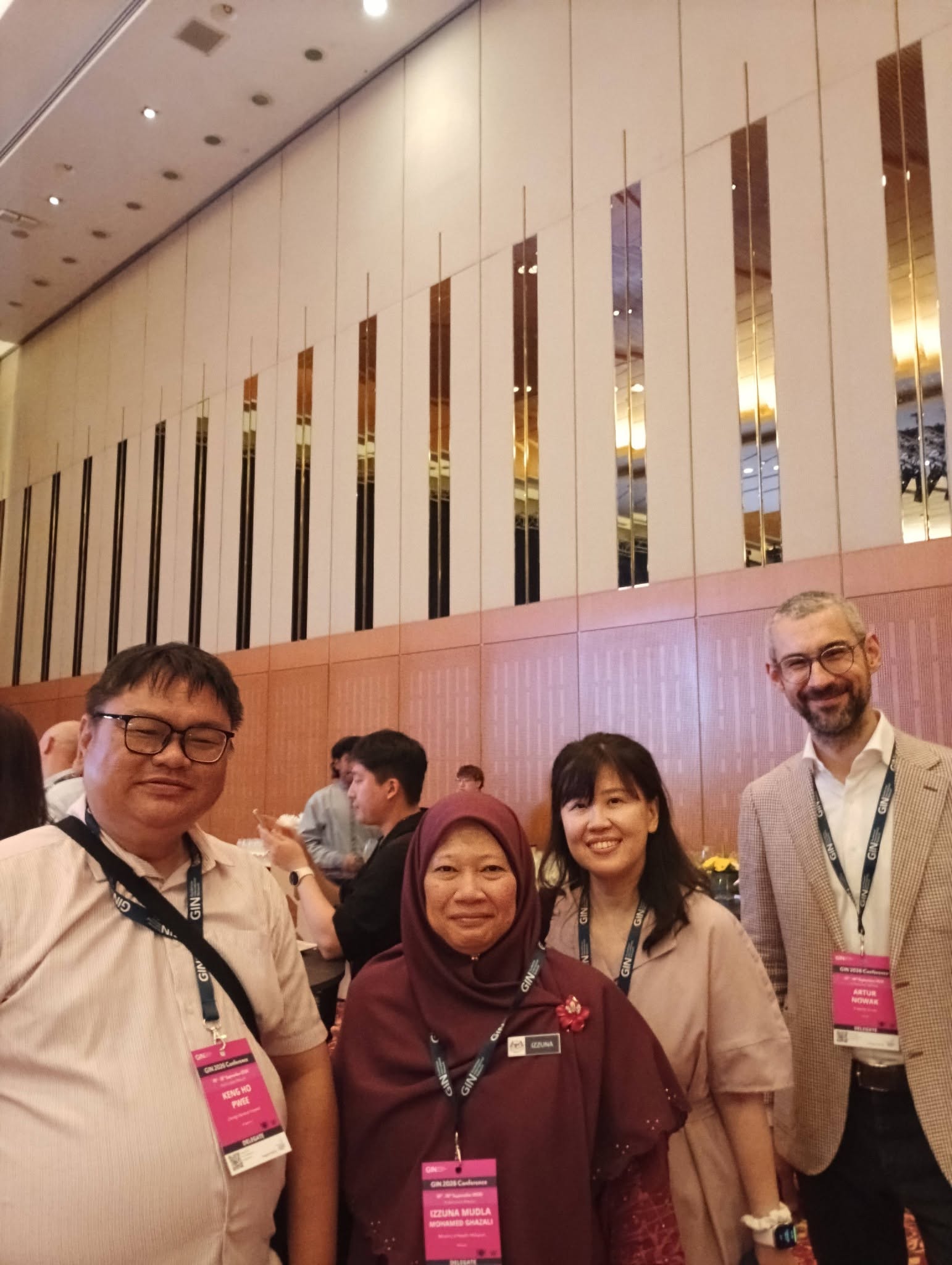
The network meta-analysis workshop connected evidence presentation with guideline decision-making. Working through a type 2 diabetes example in GRADEpro, participants imported outcome data, classified effects against defined thresholds and created tables for selected comparisons. They then brought those tables into an Evidence-to-Decision framework comparing multiple interventions.
As Artur’s workshop reflections explain, organising evidence and classifying effects still leaves the panel responsible for interpreting their meaning and certainty. Related programme contributions addressed GRADE decision thresholds and a structured Summary of Findings workflow connecting RevMan, GRADEpro and MAGICapp.
Artur also contributed to the special session The Future of Guidelines: Integrating AI and Living Evidence in the Guideline Enterprise. His presentation explored how AI could make guideline creation and dissemination more accessible, including support for patient representation and clearer communication. The session placed these applications alongside methodological principles and guidance for AI use.
The organiser’s conference overview and Artur’s conference recap provide further context on the meeting and our participation.
